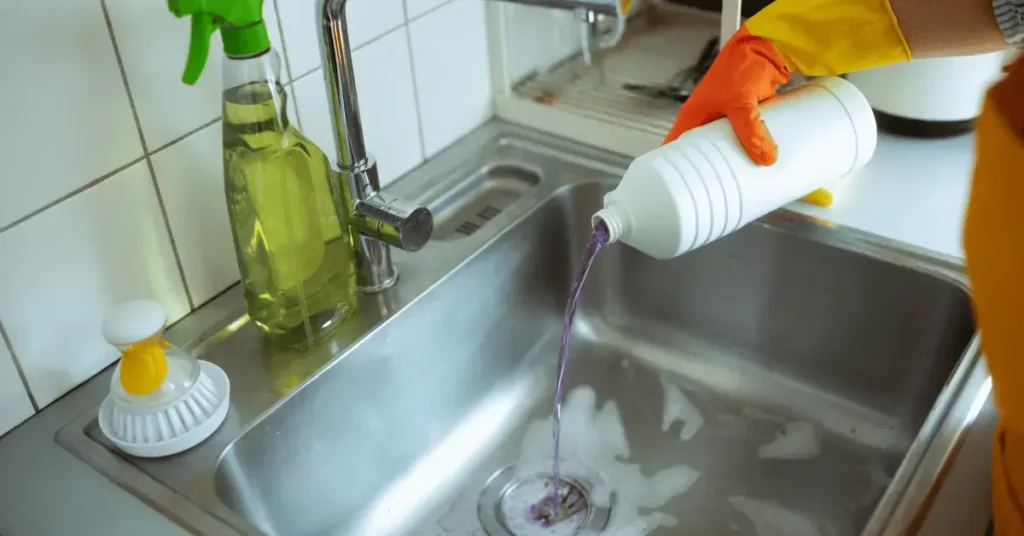




Quick Answer: Chemical drain cleaners are not safe, especially for bathroom sinks. These store-bought drain cleaners often contain caustic chemicals and corrosive chemicals that can weaken pipes, trigger pipe corrosion, and create leaks and ruptures over time. They can also release toxic fumes that compromise indoor air quality (IAQ) and cause respiratory irritation. Direct contact may lead to skin burns and eye burns, and the residue that washes away can contribute to water pollution. Even when they work, the relief is often temporary clog relief, and recurring clogs may return because the root cause wasn’t removed.
Why This Question Keeps Coming up in Winter Homes
Bathroom sink clogs tend to spike in cold months because thicker soaps, body oils, and toothpaste residue can build faster. When you’re frustrated, it’s natural to wonder are chemical drain cleaners safe as a quick DIY option.
But bathroom sink plumbing is a bit of a trap zone. The P-trap and short horizontal runs often hold liquid longer, which means chemicals can sit in the line and continue reacting. That extended contact time is where damage accelerates, especially in older plumbing systems. If you’re currently battling a slow bathroom sink drain, the goal should be to remove the clog safely, not melt a tunnel through it and risk the pipe wall.
What Chemical Drain Cleaners Actually Contain
Most products marketed as fast-acting rely on aggressive reactions to dissolve organic blockages. Common ingredients include:
- Sodium hydroxide (lye)
- Sulfuric acid
- Hydrochloric acid
- Bleach
- Aluminum compounds
These chemicals generate heat, produce vapors, and can react with buildup. The biggest issue is that they don’t stop at hair or soap scum, they can also attack pipe surfaces.
Is Drain Cleaner Bad for Pipes in Bathroom Sinks?
Yes, drain cleaner is bad for pipes. Bathroom sink pipes are among the easiest to damage because chemicals can pool in the trap.
How Pipe Damage Happens (Plain-English Version)
When a cleaner sits in the trap:
- It begins pipe erosion and pipe corrosion
- It weakens pipe integrity at joints and bends
- It shortens pipe lifespan, especially with repeat use
- It increases the odds of hidden drips that become cabinet rot or wall damage
This applies to metal pipes and PVC pipes. Metal can pit and corrode; PVC can soften, warp, or weaken at glued connections, especially if heat builds up during the reaction.
The Health Risk People Underestimate
Let’s talk about why homeowners get hurt even when they use it carefully.
Why Is Drain Cleaner Dangerous Inside a Bathroom?
Because exposure isn’t only splashes. Bathrooms are small spaces, which makes fumes concentrate quickly. Once you open the cap, you can be breathing chemicals before you realize it.
Common health issues include:
- Toxic fumes causing respiratory irritation
- Indoor air quality (IAQ) problems that linger after use
- Chemical exposure injuries from splashes or residue
- Higher risk for children and pet safety (they’re closer to floor-level vapors and spills)
Quick Tip: If you’re ever in the I’ll just pour a little moment, remember that safe handling typically requires protective equipment (gloves, goggles, masks) and ventilation. Most DIY use doesn’t meet that standard.
Can Drain Cleaner Burn Your Skin?
Yes, seriously. Lye and acids can cause burns in seconds. Even diluted residue can burn if it splashes during plunging or while you’re wiping standing water out of the basin.
One of the most dangerous situations is when someone pours chemicals, sees little improvement, and then uses a plunger. The pressure can force contaminated water upward, right toward eyes, face, and arms.
Are Chemical Drain Cleaners Effective on Real Bathroom Clogs?
Here’s the reality: bathroom clogs are often a mat of hair + soap scum + product residue. Chemicals may dissolve the outer layer and create flow, but that’s not the same as removing the clog.
That’s why you see:
- Partial blockage removal
- Temporary clog relief
- Recurring clogs returning soon after
When homeowners start noticing multiple slow drains in home, it’s often a sign that the issue isn’t limited to a single bathroom sink, and chemical cleaners won’t address the underlying cause.
Chemical Cleaners vs Safer Fixes for Bathroom Sinks
| Method | Pipe Safety | Health Risk | Best For | Notes |
| Chemical drain cleaners | Low | High | Rare emergencies | Often causes corrosion; can worsen future repairs |
| Plungers | High | Low | Soft clogs | Use correct sink plunger and seal overflow |
| Drain snakes / augers | High | Low | Hair mats | Removes clog instead of dissolving part of it |
| Baking soda and vinegar | High | Low | Light buildup | Works slowly; not for solid masses |
| Enzyme-based drain cleaners | High | Low | Maintenance | Slow but gentle; won’t dissolve plastic objects |
(Yes, baking soda and vinegar and enzyme-based drain cleaners can help, but they aren’t miracle fixes.)
Quick Fix: The Safer 10-Minute Approach (No Chemicals)
If the sink is slow, not fully blocked, this is a practical, pipe-safe path.
10-minute safe steps
- Remove the stopper and clean visible hair/slime
- Run hot (not boiling) water for 30–60 seconds
- Use a sink plunger (seal overflow with a damp rag)
- If still slow, use a small drain snake / auger 12–18 inches deep
- Rinse and re-test flow
This approach is often more effective than harsh chemicals because it physically removes the obstruction.
When DIY Stops Being Safe
If clogs keep coming back and quick fixes aren’t lasting, it usually means the problem goes deeper than a simple surface blockage.
Red Flags That Point to a Deeper Problem
- Multiple fixtures draining slowly at once
- Gurgling sounds after flushing
- Sewer-like odors that come and go
- Water backing up when another fixture runs
- Clogs returning within days
If you’re seeing multiple drains behavior (for example, you also notice a kitchen sink draining slowly), you may be dealing beyond one bathroom branch line.
Environmental Impact: What Happens After You Rinse It Away
After use, the remainder goes down the drain and into wastewater treatment systems. Treatment helps, but repeated chemical dumping increases harmful load.
These products can contribute to:
- Water pollution
- Groundwater contamination
- Harmful toxins in local ecosystems
- Aquatic life damage and disruption of microorganisms that help naturally process waste
This is one of the reasons many pros discourage routine chemical use even when it seems convenient.
Risk Level by Drain Type
| Drain/Fixture | Risk Level | Why |
| Bathroom sink | High | Trap holds chemicals; common hair/soap scum mats |
| Kitchen sink | High | Grease buildup reacts and hardens; trap retention |
| Toilet | Very High | Porcelain risk + splash hazard |
| Main line | Extreme | Can compound blockage and increase repair hazard |
If you’re tempted to use a chemical to unclog toilet, know that toilets are high splash-risk and the bowl water makes chemical exposure more likely.
Are Drain Cleaners Safe Depends on the Situation (But Usually No)
Not really. Even if the label says safe for pipes, that typically means won’t instantly destroy a new pipe under ideal conditions, not risk-free. Professional Drain Cleaning Experts use methods like Camera Inspections and mechanical cleaning that remove blockages without damaging pipes.
Why Pros Avoid Chemicals (Even When They’re Called to Fix Clogs)
Plumbers dislike arriving at a chemical-filled drain because it increases hazard and limits tool options. Chemicals make it riskier to:
- open traps
- run a snake
- perform inspection
- disassemble pipe sections
Instead, Plumbing Experts rely on controlled, physical removal methods that fully clear obstructions and restore pipe diameter.
Safer Prevention Habits That Actually Work
- Use a sink strainer to catch hair
- Clean the stopper weekly
- Avoid rinsing heavy creams/oils down the sink
- Flush with hot (not boiling) water after heavy product use
Use enzyme cleaners periodically for gentle maintenance
Should I Use Drain Cleaner If I’m Desperate?
Drain cleaner should be used only if:
- it’s a minor clog
- you can ventilate well and protect yourself
- you will not plunge/snake afterward
And even then, the better move is usually mechanical removal. If the clog is persistent, treat it as a find the cause situation rather than repeating chemical reactions in your plumbing.
Also remember: if the obstruction is solid, chemical products won’t dissolve it, and may just make the next fix more dangerous.
Final Takeaway for Homeowners
For most homes, most of the time, no. They can damage pipe materials, risk injuries, and often don’t solve the real clog. Safer methods remove the blockage and preserve your plumbing system. If you want the shortest truth: mechanical removal beats chemical guessing.
Call to Action: Stop Clogs Without Risking Your Pipes
RootBusters Plumbing, Sewer and Drains Inc. can help—safely.
If you’re tired of repeat clogs and you don’t want chemical damage (or dangerous fumes) in your home, let RootBusters Plumbing, Sewer and Drains Inc. clear the problem the right way—without risking your plumbing system. Call (844) 247-7668 to schedule service and get your drains flowing safely again.
FAQs About (Chemical Drain Cleaner Safety)
No, most contain caustic or corrosive ingredients that can damage pipes and create serious health risks.
Remove the stopper debris and try a sink plunger before using any chemicals.
Because chemicals often create partial openings without removing the full blockage.
Yes for maintenance, they’re gentler and reduce risk, though they work slowly.
If multiple fixtures are slow, clogs recur, or you smell sewer-like odors.