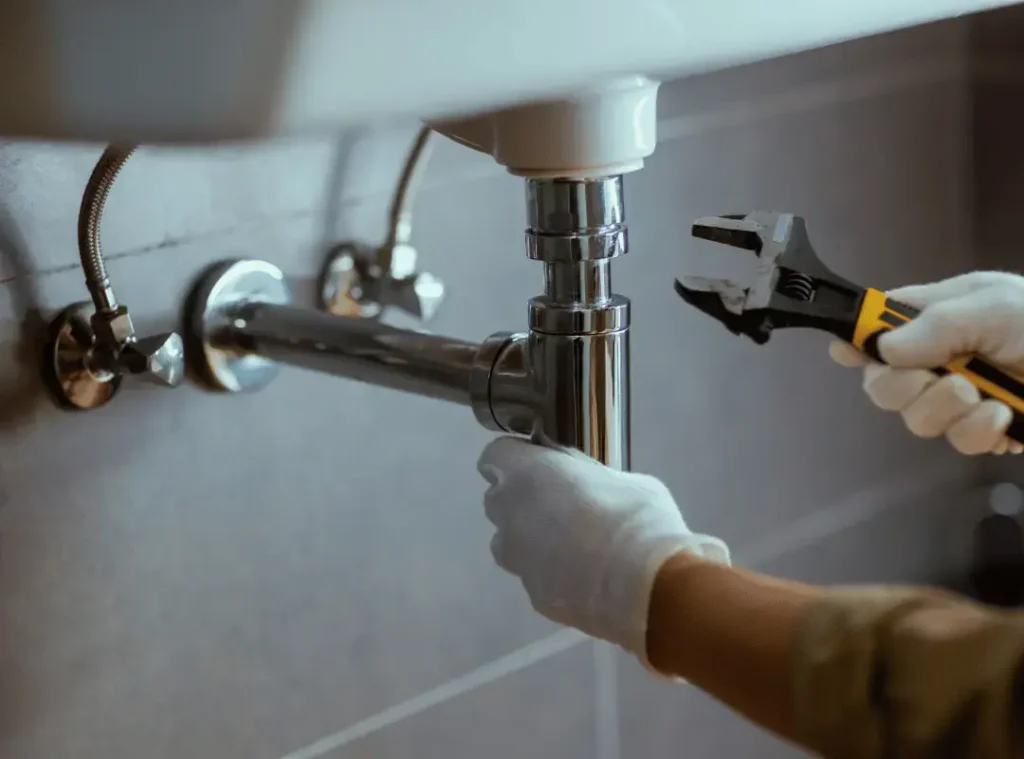




Quick Answer: To clear a slow bathroom sink drain, remove the pop-up stopper, flush the drain with boiling water, use baking soda and vinegar, remove hair buildup with a zip tool or snake, and clean the P-trap to eliminate deep blockages.
A slow bathroom sink drain is one of the most common and most annoying household plumbing issues. It happens gradually, then suddenly you’re staring at standing water, soap scum buildup, or slow-moving water that disrupts your routine. The good news is that most bathroom drain clogs can be fixed with simple DIY methods using tools and supplies you already have at home.
Understanding the cause is the first step toward choosing the right fix. Hair buildup, toothpaste residue, soap scum, foreign objects, or mineral deposits can create a slow drain bathroom sink long before the pipe fully blocks.
Why Your Bathroom Sink Drain Slows Down Over Time
Most homeowners notice a clog slowly forming, water lingers, odors appear, and the drain starts pushing back small bubbles. A slow moving drain bathroom sink almost always means debris has built up inside the drainpipe or P-trap.
The most common causes include:
Hair Buildup & Soap Scum
Hair wraps around itself and binds to soap scum, creating a tough nest inside the drain. This is the #1 cause of a bathroom sink slow drain not clogged on the surface, the blockage sits deeper inside.
Toothpaste Residue & Personal Care Products
Thick toothpaste, lotions, and shaving cream can harden inside the drain. These materials don’t dissolve well in water, narrowing the path and causing a slow running bathroom sink drain even if the buildup isn’t fully blocking the pipe.
Sediment, Minerals & Hard Water Deposits
Over time, minerals stick to pipes, creating rough surfaces that trap hair and dirt. This turns into accumulated sediment that contributes to a slow drain in bathroom sink.
When simple DIY fixes aren’t enough, many homeowners rely on the Best Plumbing Company in their area to identify deeper issues like tree root intrusion, corrosion, or a failing trap assembly. But before calling a professional, most slow drains can be cleared at home.
How to Diagnose a Slow Bathroom Sink Drain
Before jumping into remedies, use this quick table to identify the likely cause:
Common Symptoms & What They Mean
| Symptom | Likely Cause | Difficulty |
|---|---|---|
| Standing water | Hair + soap scum blockage | Easy |
| Gurgling sounds | P-trap obstruction or air imbalance | Medium |
| Foul odors | Mold, mildew, trapped debris | Easy |
| Water backing into sink | Deep clog in drainpipe | Hard |
| Intermittent slow drainage | Mineral buildup | Medium |
Tip: Remove the stopper first, it traps dirt, hair, and toothpaste more than any other part of the drain.
A clogged stopper is one of the most overlooked causes of a bathroom sink drain slow but not clogged appearance. Many people assume the problem is deep inside the plumbing, but more than 60% of clogs start at the stopper connection just like kitchen sink draining slowly.
A quick fix here is to pull the stopper out, rinse it with hot water, and scrub off built-up residue. If you see black slime, don’t panic, it’s a normal combination of soap, hair, and organic buildup that slows drainage.
This is also a great time to apply helpful techniques from tips to clean a drain, especially if you want to maintain the drain long-term.
DIY Methods to Clear a Slow Bathroom Sink Drain
These proven methods include mechanical removal, natural cleaners, and deep-clearing steps to restore full flow.
Method 1: Flush with Boiling Water
Boiling water works well on lightweight clogs caused by hardened shaving cream, toothpaste, or mild soap scum.
Steps:
- Boil a full kettle or pot of water.
- Pour slowly down the drain.
- Wait 30 seconds.
- Repeat up to 3 times.
Quick Fix: Add dish soap first, it helps break up oily residues.
Method 2: Baking Soda & Vinegar Reaction
This method helps loosen organic matter and soap scum.
What You Need:
- ½ cup baking soda
- ½ cup vinegar
- Hot water
- Drain cover
Let it sit for 30–60 minutes before flushing. Great as a monthly slow bathroom sink drain home remedy.
Method 3: Use a Drain Zip Tool
A zip-it tool is designed to hook hair and gunk inside the pipe. It is highly effective for hair-based clogs.
Insert, twist, and pull, repeat until no more debris comes out. This method alone solves up to 75% of slow drain bathroom sink cases.
Using a zip tool can also help with an upstairs bathroom sink slow drain, where the clog is usually closer to the top.
This is the perfect moment to mention how a Drain Cleaning specialist can handle tougher obstructions if at-home tools don’t fully remove the blockage.
Method 4: Use a Plunger Correctly
A plunger creates suction to break through deeper blockages like toothpaste plugs or mineral deposits.
Tip: Fill the sink with warm water, it creates better pressure and seal.
Method 5: Snake the Drain (Auger Method)
A drain snake reaches deeper blockages than a zip tool. Use this when the drain is slow but not responding to boiling water or vinegar.
Warning: Older pipes may be fragile, avoid aggressive twisting.
Mechanical cleaning methods like plunging and snaking are effective but require patience. If you feel resistance that doesn’t budge, the blockage may be deeper than expected. Toothpaste caps, dental floss, cotton swabs, and personal care items often cause sudden blockages.
Mineral buildup also creates narrow passageways that make the fix slow bathroom sink drain process harder. In these cases, a deeper inspection is needed.
This is usually when homeowners consider a sewer inspection, especially if multiple fixtures drain slowly.
Method 6: Remove & Clean the P-Trap
This is the most important and most thorough DIY method.
How to Clean the P-Trap:
- Place a bucket under the trap.
- Loosen slip nuts on both sides.
- Remove the trap and clear hair, sludge, and sediment.
- Flush with hot water.
- Reassemble and test.
Cleaning the P-trap also eliminates bad odors, mold, mildew, and accumulated sediment that contributes to a slow moving drain bathroom sink.
Hard water minerals, corrosion, or worn-out traps may require replacing the P-trap entirely. If you see rust flakes or thinning pipe walls, it’s best to replace rather than clean.
Some drains also clog due to foreign objects that fall unnoticed into the sink, rings, cotton swabs, or even small toys.
If your bathroom drain is repeatedly slow even after cleaning the P-trap, the drain line may have deeper buildup, and that’s when professional Residential Plumbing services are the best next step.
Advanced Causes of a Slow Bathroom Sink Drain
Below is another table to help diagnose less common issues.
| Cause | Description | Severity |
|---|---|---|
| Pipe corrosion | Rust narrows the pipe | Medium |
| Mineral deposits | Hard water buildup | Medium |
| Foreign objects | Jewelry, caps, floss | Medium |
| Tree root intrusion | Roots enter sewer line | High |
| Damaged P-trap | Cracks or leaks | Medium |
Preventive Maintenance to Stop Slow Drains for Good
- Clean your pop-up stopper weekly
- Flush with hot water after each use
- Use baking soda + vinegar monthly
- Install a drain screen
- Avoid disposing thick creams or gels
These habits dramatically reduce the risk of a slow running bathroom sink drain recurring.
When DIY Isn’t Enough - Call a Local Plumber in your Area!
If every method fails and water still drains slowly, it’s time to call a professional. Persistent clogs may indicate:
- A deeper blockage in the wall line
- Sediment-packed pipes
- Tree roots in the sewer
- Hidden leaks
Professionals use advanced tools like wet/dry vacuums, augers, and plumbing cameras to identify and eliminate the clog.
Call RootBusters Plumbing for Fast Drain Relief
If your slow bathroom sink drain refuses to clear, even after trying every DIY method, it’s time to call the experts.
RootBusters Plumbing, Sewer and Drains Inc.
📞 Call Now: (844) 247-7668
Fast, reliable, and built to solve even the toughest clogs with long-lasting solutions.
FAQs About Slow Bathroom Sink Drain
Why is my bathroom sink draining slowly?
Hair, soap scum, toothpaste, and sediment buildup commonly cause slow drainage by narrowing or blocking the pipe.
What dissolves hair in a bathroom sink drain?
Baking soda + vinegar can help dissolve organic material, while a zip tool physically removes hair more effectively.
Why does my bathroom sink drain slowly even when not clogged?
Mineral buildup, partially blocked P-traps, or thick residue from personal care products can cause slow drainage.
Should I use chemical drain cleaners?
Avoid them whenever possible, they corrode pipes and worsen long-term plumbing issues.
Do I need to replace my P-trap?
Replace it if you notice corrosion, cracks, or persistent odors.