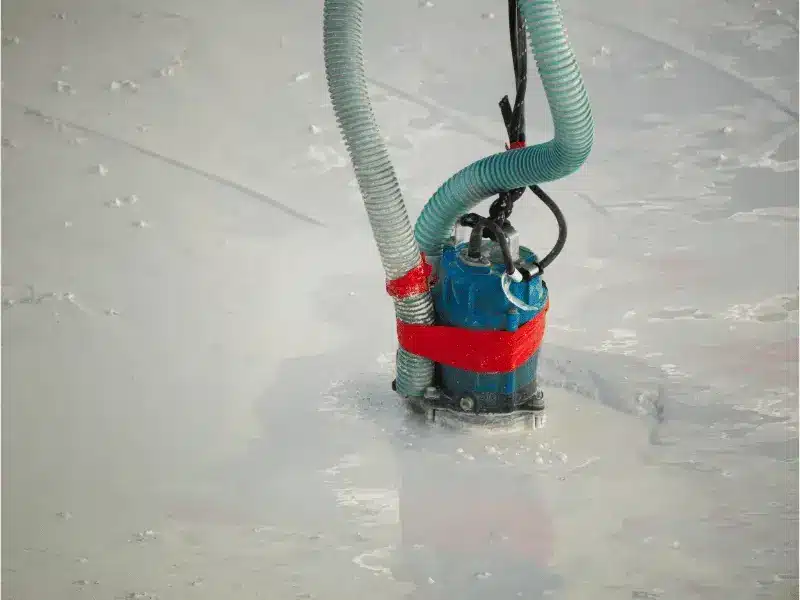




Quick Answer: To prevent sump pump overflow during heavy rain, regularly inspect the sump pit, float switch, discharge pipe, and check valve to ensure the system can move water efficiently. Clean debris from the sump basin, confirm the pump activates quickly, and verify that exterior drainage like gutters and downspouts directs water away from the foundation. Installing a battery backup pump or overflow alarm adds protection during storms and power outages. Proper pump sizing, routine seasonal maintenance, and good yard drainage help keep inflow lower than the pump’s discharge capacity. Taking these preventive steps greatly reduces the risk of basement flooding and costly water damage during severe weather.
Why Sump Pump Overflow Happens During Heavy Rain
A sump pump overflows during heavy rain when water enters the sump basin faster than the system can remove it.
During major storms, stormwater can saturate the soil around the home and increase hydrostatic pressure against the foundation. Water then moves through foundation drains, under the slab, or around weak spots near the footing and enters the sump basin. If the float switch is delayed, the impeller is restricted, the discharge pipe is partially blocked, or the check valve lets water flow back, the basin may fill too quickly.
Another common cause is poor switching behavior. A float switch that activates too late, sticks, or cycles poorly can let the water level climb too high before the pump starts. Some homeowners see this problem when the sump pump float switch stuck on condition keeps the unit running continuously, then the motor overheats or the system fails to respond correctly on the next storm cycle.
The risk becomes even higher if the home depends on only one primary unit with no backup pump, no battery backup system, and no overflow alarm. A pump can be in decent shape on a clear day and still fail under the pressure of prolonged heavy rain.
The Main Parts You Need to Check Before Storms
The most important parts to check are the sump pit, float switch, impeller, check valve, discharge pipe, and backup power setup.
A basic residential system usually includes a sump pit, a sump pump, a float switch, a check valve, and a discharge pipe that carries water away from the house. Some setups also have an alarm system, sealed cover, backup pump, or water-powered backup pump for added reliability. These are not minor extras. They often make the difference between a dry basement and a flooded one.
If the sump pit is full of debris or sediment, water can enter but the pump may not move it efficiently. If the impeller is dirty, the pump’s flow rate drops. If the check valve is worn or installed backward, water may rush back into the basin after every cycle. If the discharge pipe is too short or poorly routed, the water may return toward the foundation and create repeat cycling.
If your sump area has odor issues too, it is worth reviewing and understanding why sump pump smells, because stagnant water, dirty basin conditions, and neglected maintenance often point to the same root problems that lead to overflow.
Signs Your Sump Pump Is Close to Overflowing
Your system usually gives warning signs before a full overflow happens.
Watch for these red flags:
- Water rising unusually high in the sump basin before pump activation
- The pump running longer than normal during heavy rain
- Strange vibrations, rattling, or reduced discharge flow rate
- Water returning to the sump pit after the pump stops
- The sump pump discharge pipe is overflowing outside
- An alarm system or sump pump overflow alarm going off unexpectedly
These signs often appear before visible basement flooding starts. If you catch them early, you have a much better chance of stopping water damage before it spreads to walls, stored items, and flooring.
Table of Common Overflow Causes and Fast Solutions
A simple cause-and-fix chart makes troubleshooting much faster during a storm.
Problem | What It Means | Quick Action |
Debris in sump pit | Float or impeller movement is restricted | Unplug the unit and remove debris |
Sediment buildup | Pump efficiency drops over time | Clean basin and inspect impeller |
Check valve failure | Water flows back into basin | Reinstall or replace check valve |
Discharge pipe clog | Water cannot leave properly | Clear blockage in discharge pipe |
Weep hole blockage | Airlock interferes with pumping | Clean the weep hole carefully |
Power outage | Pump cannot run | Use backup pump or battery backup system |
Poor lawn grading | Water pools near foundation | Correct lawn grading and runoff path |
Small basin / weak motor power | System cannot keep up with heavy rain | Upgrade pump size and capacity |
How to Inspect Your Sump Pump Before Heavy Rain
The best way to prevent overflow is to inspect the whole system before you actually need it.
Follow these steps:
- Cut power safely and remove the cover. Open the sump pit and inspect the sump basin for sediment, small stones, and general debris.
- Check float switch movement. Lift and lower it by hand to make sure it moves freely and activates the pump without hesitation.
- Inspect the impeller area. Look for clogged components, grime, or anything that could reduce pumping force.
- Examine the check valve and discharge pipe. Make sure the arrow points away from the pump and the line is not cracked, frozen, blocked, or disconnected.
- Test the system with water. Pour water into the basin and watch how quickly the unit activates, pumps down, and shuts off.
This inspection gives you a practical picture of whether your system is ready for heavy rain. It also helps you understand ways to stop sump pump overflow by identifying weak points in the system before they fail under pressure.
If the pump struggles during testing or the water level rises too close to the top, have the system checked by an affordable residential plumbing specialist before the next storm.
What to Do if Your Sump Pump Overflows
If your sump pump overflows, shut off power only if it is safe, reduce incoming water where possible, and check whether the problem is clogging, backflow, or power failure.
Start by looking at the water level and confirming whether the pump is running, humming, or silent. If the basement floor is wet around electrical components, do not step into standing water until the area is safe. If power is available and the pump is running, the issue may be capacity, clogging, or discharge failure rather than total pump failure.
Next, inspect the discharge route outside. A frequent reason for water backup and sump discharge or overflow is that the discharge line is blocked, frozen, crushed, or sending water back toward the home. Then inspect the check valve, because a bad one can refill the sump basin after every cycle. If the pit keeps climbing even with the unit operating, the home may be receiving more inflow than the current system can handle.
This is also the point where many homeowners say, my sump pump is overflowing, even though the real cause may be overwhelmed groundwater conditions, short discharge routing, or poor exterior drainage rather than just one broken part.
Why Overflow Happens Even When the Pump Is Still Running
A running sump pump can still overflow if the inflow rate is higher than the outflow rate.
This point is often missed in competitor content, but it is crucial. Not every overflow is a dead-motor problem. Sometimes the centrifugal pump still runs, yet the basin level continues to rise because the amount of incoming water is extreme. This is common when heavy rain follows days of saturation, when hydrostatic pressure is high, or when the home has weak surface drainage near the foundation.
It can also happen when the basin is too small, the pump’s motor power is too low, or the discharge route is too restrictive. A pump with a poor flow rate may work normally during average weather but fail during long-duration storms. That is why preventing sump pump overflow is partly about maintenance and partly about proper sizing.
If your basement is taking on water during active pumping, that is a sign to call emergency sump pump experts instead of waiting for the storm to pass.
Exterior Drainage Problems That Make Overflow Worse
Bad exterior drainage adds so much incoming water that even a working sump pump can be overwhelmed.
Your sump system does not work alone. It depends on the home’s entire drainage system to limit how much water collects around the foundation. If gutters are clogged, rain spills directly beside the house. If downspouts end too close to the wall, water recirculates. If lawn grading slopes inward, runoff pools where you do not want it.
Foundation cracks can also let extra water reach the basement envelope. Small openings around the wall or slab may not cause obvious leaks in dry weather, but during heavy rainfall they become pathways for seepage. A French drain, good lawn grading, clean gutters, proper downspouts, and waterproofing sealant on minor crack areas can all reduce the amount of water entering the system in the first place.
When the exterior drainage system is weak, a basement sump pump overflowing is often the symptom, not the root cause.
Quick Fixes That Help Reduce Overflow Risk
A few fast adjustments can lower the chance of overflow before the next major storm.
Use these quick fixes:
- Clear leaves, dirt, and sediment from the sump pit and basin bottom
- Clean the discharge pipe outlet so water can exit freely
- Verify the check valve is facing the correct direction
- Test the float switch with a bucket of water
- Make sure the weep hole is open and not clogged
- Extend downspouts farther from the foundation
These fixes do not replace full maintenance, but they can greatly improve performance if done early. They are especially useful when you are trying to learn about preventing sump pump overflow without waiting for a complete failure.
Backup Protection Matters More Than Most Homeowners Think
A backup system is essential because many overflow events happen during storms that also cause power outages.
The ideal setup includes a primary sump pump plus a backup pump that works when the main unit fails or electricity is lost. A battery backup system is the most common choice, but a water-powered backup pump is another strong option in homes with reliable municipal water pressure.
You should also consider an overflow alarm or full alarm system. These devices warn you when water rises too high, when the pump fails to activate, or when the battery backup system needs attention. An early alert can prevent major damage by giving you time to act before the basin spills over.
This is one of the best forms of water backup & sump overflow protection because it covers the moment when storms are worst, homeowners are asleep, or the home is unattended.
Choosing the Right Pump Size, Type, and Capacity
The right pump must match both your water volume and your storm conditions.
Some homes do fine with a standard submersible pump. Others may need a stronger pedestal pump or a more robust multi-pump setup depending on inflow. A submersible pump is quieter and compact because it sits inside the basin, while a pedestal pump has the motor above the basin and can be easier to service. In both cases, the internal pumping action is based on the same general centrifugal pump design principles.
Pump selection should consider motor power, expected gallons per minute, basin depth, and maximum flow rate under real storm conditions. A unit that is undersized can struggle even if every part is technically working. A sealed cover can also improve performance by helping keep outside debris out of the sump basin.
The goal is not just to buy a pump. It is to match the system to the amount of water your home actually receives. That is a major part of preventing sump pump overflow long term.
Table of Sump Pump Types and Overflow Prevention Value
This comparison helps homeowners choose smarter upgrades.
Pump / Feature | Best Use | Overflow Prevention Benefit |
Submersible pump | Finished basements, quieter operation | Strong pumping in compact spaces |
Pedestal pump | Easier service access | Good for larger pits and visible maintenance |
Battery backup system | Storm-related power outage protection | Keeps water moving when power fails |
Water-powered backup pump | Homes with reliable water supply | Backup during electrical failure |
Overflow alarm | Early warning before basin spills over | Faster response to rising water |
Sealed cover | Homes prone to debris and odors | Helps keep debris out and improves cleanliness |
How Often You Should Maintain the System
At minimum, inspect the sump pit four times a year. Test the float switch, clean debris, verify the discharge pipe route, and confirm that the check valve and weep hole are working properly. If you have a backup pump, test that too. If you rely on a battery backup system, check the battery condition and charger status.
A good seasonal schedule looks like this:
- Pre-storm season inspection: Test pump, float switch, and discharge line.
- Mid-season check: Clean sediment, inspect the alarm system, and verify exterior drainage.
- Post-storm review: Look for signs of overload, backflow, or basin residue after major rainfall.
- Annual deep service: Inspect motor power output, flow rate performance, and all wear parts.
If repeated overflow still happens after routine cleaning, it may be time to involve a 24/7 plumbing company that can inspect the full system, including foundation drains and exterior runoff conditions.
Other Basement Flood Prevention Steps That Support the Pump
Sump pump protection works best when paired with whole-property flood control.
Keep gutters clean so stormwater does not spill beside the home. Extend downspouts so water discharges far enough away. Correct lawn grading if water pools near the wall. Seal minor foundation cracks with waterproofing sealant where appropriate. Consider a French drain if the yard traps runoff. If your property has chronic moisture pressure, ask about how foundation drains are functioning and whether exterior drainage can be improved.
These supporting measures reduce the load placed on the sump system. In other words, they do not just prevent basement flooding directly. They also make it easier for the pump to keep up during heavy rain.
That broader approach is what really separates basic maintenance from a true prevention plan for sump pump discharge overflow and repeated water entry.
Protect Your Basement Before the Next Storm Hits
A sump pump overflow rarely happens without warning. In most homes, there are early signs like slow discharge, rising water, repeated cycling, noisy operation, or water returning to the basin. The key is to respond before those warning signs turn into soaked flooring, mold growth, damaged storage, and major repair bills.
If you want professional help inspecting your sump pump, backup protection, discharge setup, or storm-related drainage issues, contact RootBusters Plumbing, Sewer and Drains Inc. for expert service.
Call RootBusters Plumbing, Sewer and Drains Inc. at 844-247-7668 to schedule an inspection and help keep your basement dry when heavy rain arrives.
FAQs About Preventing Sump Pump Overflow
Can heavy rainfall permanently damage a sump pump?
Yes. Continuous operation during long storms can overheat the motor and wear out internal components such as the impeller and bearings. If the pump runs for hours without stopping, it may shorten the system’s lifespan and eventually lead to motor failure.
Do smart home sensors help prevent sump pump flooding?
Smart water sensors and Wi-Fi sump pump monitors can send alerts to your phone when water levels rise or the pump stops responding. These systems allow homeowners to react quickly even when they are not at home.
How long does a typical residential sump pump last?
Most residential sump pumps last 7 to 10 years, depending on how often they operate and the level of maintenance they receive. Homes in high-water-table areas may need replacement sooner due to frequent cycling.
Is a larger sump basin better for flood prevention?
A larger basin can help reduce overflow risk because it stores more water before the pump activates. This gives the system more time to respond during sudden inflow spikes caused by heavy rainfall.
Can landscaping choices affect sump pump performance?
Yes. Dense soil, poor grading, and certain landscaping designs can trap water near the foundation. Using permeable landscaping materials and proper yard slope helps direct stormwater away from the house.