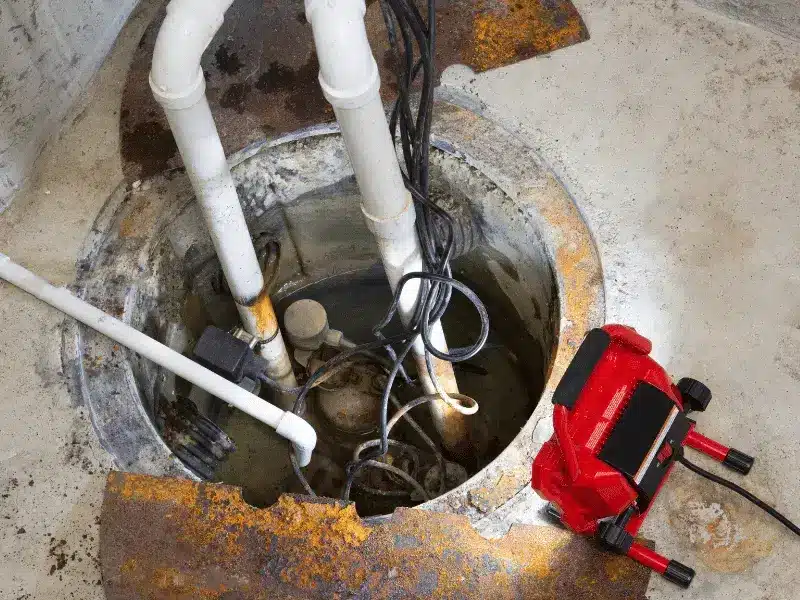




Quick Answer: A sump pump float gets stuck when debris, sludge buildup, corrosion, improper installation, or wiring issues prevent the float switch from moving freely in the sump pit. When the float cannot rise or fall properly, the pump may run continuously, fail to activate, or leave water in the basin. Cleaning the sump pit, repositioning the pump, adjusting the float switch, and checking electrical connections usually solve the issue. If the float switch or wiring is damaged, replacing the switch is the safest long-term fix to prevent basement flooding and pump failure.
What the Float Switch Does in a Sump Pump System
The float switch acts as the automatic controller of the sump pump system by monitoring the water level in the sump basin.
Inside the sump pit, water naturally accumulates due to groundwater pressure, drainage systems, or water migration through soil. As the water level rises, the float rises with it. When the float reaches a certain height, it closes an electrical circuit and triggers pump activation.
Once the pump removes the water, the float drops back down and opens the electrical circuit again, causing pump deactivation.
This process repeats hundreds or even thousands of times throughout the life of the sump pump. Because of this constant cycling, the float switch is one of the most commonly worn components in the system.
Many homeowners also notice related issues such as odors or stagnant water around the sump basin. If that occurs, identifying the cause of sump pump smells can help in figuring out additional sump system problems linked to poor pit maintenance.
Common Reasons Why the Float Gets Stuck
The most common cause of a sump pump float stuck problem is debris buildup, incorrect pump positioning, or mechanical wear affecting the float switch movement inside the sump pit.
Several factors can prevent the float switch from moving freely.
Debris and Dirt Accumulation
Debris inside the sump pit is one of the most frequent causes of float problems. Dirt, sludge, and loose particles can build up around the float mechanism, creating blockage that stops the float from rising.
Even small pieces of debris can interfere with float movement and prevent the switch from activating the pump motor.
Pump Movement Inside the Sump Pit
When a sump pump runs, vibration can cause the pump to shift slightly along the bottom of the sump pit. Over time, the pump can move close to the pit wall, trapping the float between the pump body and the sump basin liner.
This situation often results in a float stuck on sump pump condition where the float cannot rise enough to activate the pump.
Mechanical Wear and Tear
Float switches cycle frequently throughout the year. This repeated motion causes wear and tear on the switch components.
Mechanical wear may eventually damage the internal switch mechanism, preventing it from detecting water levels accurately.
Corrosion and Electrical Problems
Corrosion can develop around electrical contacts and wiring connections due to constant moisture exposure. Corroded wiring may break the electrical circuit needed to activate the pump.
Electrical problems like faulty wiring, damaged insulation, or loose electrical outlet connections may also lead to a sump pump float switch not working situation.
Improper Installation
Improper installation is another major cause of float problems. If the float switch adjustment is incorrect, the float may collide with the sump basin wall or pump housing.
This often leads to repeated issues where the sump pump float keeps getting stuck even after cleaning the pit.
Warning Signs Your Float Switch Is Failing
Recognizing early warning signs can prevent a sump pump failure before flooding occurs.
Common symptoms include:
- Pump does not activate when water rises in the sump basin
- Pump runs continuously without stopping
- Water remains inside the sump pit
- Loud or unusual noises from the pump motor
- Float appears trapped against the sump basin wall
- Pump activates only when the float is lifted manually
When homeowners notice these warning signs, they often begin troubleshooting a sump pump float stuck issue to determine whether the problem is mechanical, electrical, or related to debris blocking the float switch movement.
If the system continues malfunctioning, consulting affordable residential plumbing experts can help diagnose the root cause and prevent further plumbing damage.
Troubleshooting Table for Sump Pump Float Problems
Symptom | Possible Cause | Recommended Fix |
Pump does not start | Debris blocking float | Clean sump pit |
Pump runs continuously | sump pump float switch stuck on | Inspect float movement |
Pump activates manually only | faulty float switch | Replace switch |
Water remains in pit | discharge pipe or check valve blockage | Clear obstruction |
Intermittent pump cycling | electrical problems | Inspect wiring |
How to Fix a Stuck Float on Sump Pump
The best way to resolve float problems is to clean the sump pit, inspect the switch mechanism, adjust the float position, and test the pump system.
Follow this step-by-step method.
1: Disconnect the Power Supply
Always unplug the sump pump from the electrical outlet or shut off the circuit breaker before working on the system.
Water and electricity create serious safety risks, so this step should never be skipped.
2: Inspect the Sump Basin
Remove the sump pit cover and examine the inside of the basin. Look for debris, sludge, and objects that may block float movement.
3: Check Float Movement
Lift the float manually to simulate rising water levels. If the pump activates when the float is lifted but not automatically, the issue may involve fixing sump pump float switch components.
4: Inspect Wiring and Electrical Components
Check wiring for corrosion, loose connections, or damaged insulation. Electrical issues may prevent the float switch from closing the circuit that activates the pump motor.
5: Test the Pump System
After completing adjustments, reconnect the power supply and pour water into the sump pit to confirm proper pump activation and deactivation.
If troubleshooting becomes complicated, contacting a trusted local plumbing company can ensure the repair is performed safely.
Quick Fixes for a Stuck Sump Pump Float
Some float problems can be solved quickly without replacing parts.
Quick fixes include:
- Removing debris and sludge from the sump pit
- Adjusting float switch tether length
- Repositioning the pump away from the pit wall
- Untangling electrical cords blocking float movement
- Cleaning corrosion from electrical connections
These simple adjustments often resolve the issue when homeowners ask why my sump pump float gets stuck.
Types of Float Switches and Their Reliability
Float Switch Type | Description | Reliability |
Tethered Float Switch | Float attached to cable that swings upward | Moderate |
Vertical Float Switch | Float slides along vertical rod | High |
Horizontal Float Switch | Pivoting float design | Moderate |
Diaphragm Switch | Pressure-based activation system | High |
Different switch designs may influence how often problems occur, especially in systems experiencing septic tank pump float switch problems or other pump float failures.
Preventive Maintenance to Avoid Float Problems
Preventive maintenance significantly reduces the risk of sump pump failure. Regular cleaning, testing, and early inspection also play a major role in preventing sump pump overflow, especially during periods of heavy rain or rising groundwater.
Recommended maintenance steps:
- Clean the sump pit every three to four months
- Test the pump system regularly with water
- Inspect the float switch movement
- Check the discharge pipe and check valve
- Inspect the power supply and electrical outlet
These steps help in fixing sump pump float switches before they cause serious damage.
When the Float Switch Needs Replacement
Sometimes the float switch cannot be repaired and must be replaced.
Replacement may be necessary when:
- The switch fails electrical continuity testing with a multimeter
- The float loses buoyancy due to internal leaks
- Corrosion damages electrical connections
- The switch repeatedly fails after repairs
Installing a new float switch restores reliable pump activation and prevents motor failure.
Need Professional Help With Your Sump Pump?
A stuck float switch can quickly lead to basement flooding if the sump pump fails at the wrong moment.
If your sump pump system continues malfunctioning or requires professional repair, the safest option is to have it inspected by experienced technicians.
RootBusters Plumbing, Sewer and Drains Inc. provides professional sump pump diagnostics, repair, and maintenance to keep your system operating reliably.
📞 Call today: 844-247-7668
Our team can identify float switch problems, repair wiring issues, and restore proper sump pump performance before water damage occurs.
FAQs About Sump Pump Float Get Stuck
How often should a sump pump float switch be replaced?
A sump pump float switch typically lasts 5 to 7 years, depending on usage frequency and moisture exposure. Homes in areas with frequent groundwater accumulation may experience faster wear due to constant pump cycling. Regular inspections during annual sump pump maintenance can help detect early switch failure.
Can a stuck float switch damage the sump pump motor?
Yes. A stuck float switch can cause the pump motor to run continuously or fail to start, both of which can damage the motor. Continuous operation may lead to overheating and premature motor burnout, while failure to activate can allow water levels to rise and increase pressure on the pump system.
Is it safe to manually move a sump pump float?
Yes, but only after disconnecting the power supply. Manually lifting the float is a common test used to verify whether the pump activates properly. However, if the float feels jammed or restricted, forcing it can damage the switch mechanism.
Can power outages affect sump pump float switches?
Yes. During a power outage, the float switch may rise as water fills the sump basin, but the pump will not activate without electricity. This is why many homeowners install a battery backup sump pump system to maintain pump operation during storms or electrical failures.
Does sump pit size affect float switch performance?
Yes. If the sump basin is too small, the float switch may not have enough vertical space to move freely. This can cause frequent cycling or float interference with the pit wall or pump housing. Proper sump pit sizing ensures the float can move freely and trigger pump activation at the correct water level.